
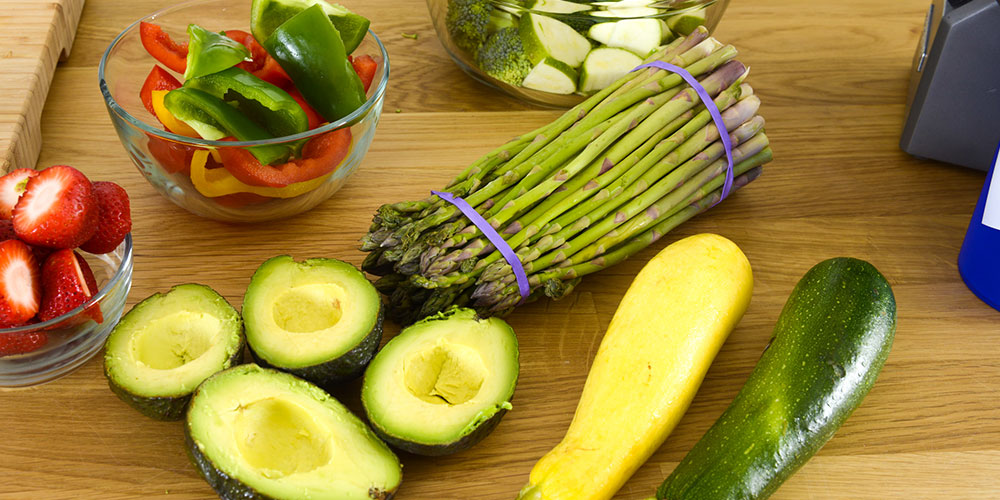
An obvious concern when deciding whether organic food choices are better is whether they are safer. Because of the difference in agricultural practices and substances used, it is obvious that there are less residues from synthetic fertilizers and pesticides present on organic produce. The Environmental Working Group (EWG) puts out a list each year with conventionally farmed foods that are most and least likely to contain pesticide residues. This year the produce most likely to have pesticide residues are strawberries, spinach, kale, nectarines, apples, grapes, peaches, cherries, pears, tomatoes, celery, and potatoes. Produce with thick peels or skins protecting the fruit or vegetable tend to have less residues on the edible portions. The produce least likely to have pesticide residues this year are avocados, sweet corn, pineapples, frozen sweet peas, onions, papayas, eggplants, asparagus, kiwis, cabbages, cauliflower, cantaloupes, broccoli, mushrooms, and honeydew melons.
On the other hand, the lack of pesticides and other substances on organic produce may lead to an increased contamination risk. For example, one study of vegetables from Polish farms found that organic produce had higher contamination risk – specifically of E. coli – which may have been due to differences in fertilization practices. Contamination risk of organic produce is an emerging area of research that requires further investigation. When it comes to meat and dairy, the use of antibiotics in conventional animal production is concerning due to the increase in antibiotic resistance. For instance, the risk of bacteria being resistant to antibiotics is higher in conventional chicken and pork than organic. It is more difficult to treat infections in humans and animals when bacteria become resistant to antibiotics.
 Aidn's Fitness Blog